
Learning how to use a grill brick on a griddle is essential for commercial kitchens to maintain hygiene and extend equipment life.
To use a grill brick on a griddle, scrub the surface with the brick while the griddle is warm, then wipe away residue for effective, chemical-free cleaning and optimal hygiene.
Can you use a grill brick on a griddle?
Yes, you can use a grill brick on a griddle. Grill bricks are specifically designed for cleaning flat-top griddles and other commercial cooking surfaces. Their abrasive yet non-scratching composition makes them suitable for removing tough carbon buildup, grease, and burnt-on food without damaging the griddle’s finish.
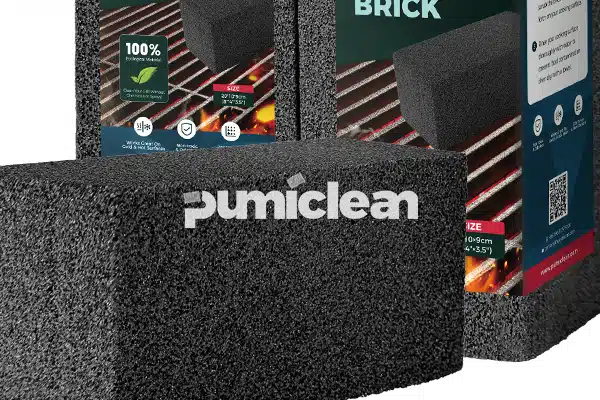
Grill bricks are typically made from non-toxic pumice material. This structure allows them to conform to the griddle’s surface, reaching into grooves and corners. They are safe for use on steel, chrome, and cast iron griddles commonly found in commercial kitchens. Unlike metal scrapers, grill bricks do not leave deep scratches, preserving the integrity of the cooking surface and helping prevent rust or food residue buildup.
Should you use oil with a grill brick?
No, you should not use oil with a grill brick when cleaning a griddle. Grill bricks are designed to be used on a warm, dry surface for maximum effectiveness in removing carbonized food and grease residues. Introducing oil during cleaning can cause smearing and reduce the abrasive action needed to lift stubborn debris.
For best results, heat the griddle slightly, then turn it off. Use the grill brick directly on the surface. After cleaning, you may wipe the griddle with a damp cloth or paper towel to remove loosened particles. Only after the surface is clean and cool should you reapply a thin layer of oil to season the griddle if required by your maintenance routine.
How to properly use a grill brick?
To properly use a grill brick on a griddle, follow these steps:
- Preheat and Turn Off: Heat the griddle to loosen residue, then turn it off for safety.
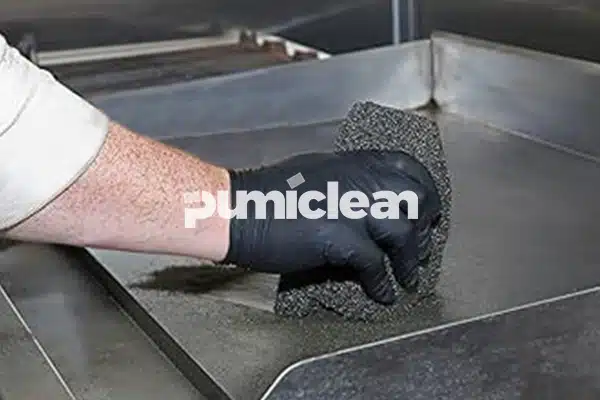
- Scrub with Grill Brick: Hold the brick with a gloved hand or use a brick holder. Apply moderate pressure and move in small circles or back-and-forth strokes over the entire surface.
- Focus on Tough Spots: For stubborn buildup, concentrate more on those areas, but avoid excessive force to prevent surface wear.
- Wipe Away Debris: Use a damp cloth, towel, or scraper to remove loosened debris and brick residue.
- Inspect Surface: Ensure the griddle is smooth and free from residue before cooking again.
Here’s a quick reference table for effective cleaning:
| Step | Action | Notes |
|---|---|---|
| Preheat Griddle | Heat, then turn off | Loosens debris for easier cleaning |
| Use Grill Brick | Scrub with moderate pressure | Use gloves or holder for safety |
| Focus on Buildup | Scrub tough spots | Avoid excessive force |
| Remove Residue | Wipe with damp cloth or scraper | Remove all debris before next use |
| Re-season (if needed) | Apply oil after cleaning and cooling | Maintains non-stick surface |
How many times can you use a grill brick?
The number of uses for a grill brick depends on the size of the brick, the frequency of cleaning, and the amount of residue on your griddle. On average, a single brick can be used multiple times, often lasting for several cleaning sessions in a commercial kitchen environment.
Grill bricks gradually wear down with each use. When the brick becomes too thin or uneven to grip safely, it should be replaced. For heavy-duty operations, it’s advisable to keep extra bricks on hand. Buyers should check with their supplier for brick size and estimated longevity based on typical kitchen cleaning cycles.
Proper storage, such as keeping bricks dry and away from food contact areas, can also prolong their usability. If you use a brick holder, it may extend the life of the brick by allowing more even wear.
What should B2B buyers know about how to use a grill brick on a griddle
B2B buyers—including foodservice operators, cleaning-supply distributors, and restaurant owners—should consider several factors when sourcing and deploying grill bricks for griddle cleaning:
- Material and Abrasiveness: Grill bricks are usually made from pumice or other non-toxic, odorless materials. Ensure the product is suitable for your griddle type and will not scratch the surface.
- Size Options: Standard sizes are available, but custom dimensions can be requested for large-scale or specialized equipment.
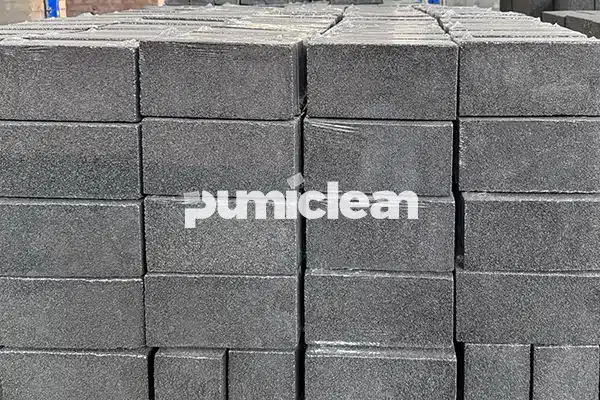
- Packaging: Bulk packaging reduces costs and storage space. Check for options like individual wrapping or carton quantities.
- MOQ and Samples: Many suppliers offer low minimum order quantities and samples for testing. This is important for distributor trials or private-label projects.
- OEM/Private Labeling: For branding or resale, verify if the supplier supports custom labeling and packaging.
- Supplier Reliability: Choose manufacturers with consistent quality control, stable supply chains, and experience in export documentation.
- Lead Time and Logistics: Confirm production lead times, shipping methods, and landed-cost factors, especially for international orders.
- Compliance and Safety: Request compliance documents if required by your region or buyers, such as MSDS or food-contact safety statements.
Here’s a quick comparison table for B2B buyers:
| Factor | What to Check | Why It Matters |
|---|---|---|
| Material | Non-toxic pumice, odorless | Safe for foodservice, effective cleaning |
| Size | Standard or custom | Fits equipment, efficient use |
| Packaging | Bulk, individual, private label | Storage, branding, resale |
| MOQ/Samples | Low MOQ, sample availability | Testing, distributor flexibility |
| Supplier Reliability | QC, export experience, stable supply | Consistent supply, fewer disruptions |
| Lead Time | Production and shipping timelines | Inventory planning, cost control |
| Compliance | MSDS, food-contact safety docs | Regulatory requirements |
FAQ
Q1: Will a grill brick scratch my griddle?
A: No, grill bricks are designed to clean without scratching most commercial griddle surfaces when used properly.
Q2: Can grill bricks be used on chrome-plated griddles?
A: Yes, but always test on a small area first and check with your griddle manufacturer for compatibility.
Q3: Are grill bricks reusable?
A: Yes, grill bricks can be used multiple times until they wear down to an unusable size.
Q4: Do grill bricks require special storage?
A: Store in a dry, clean area away from food. No special storage is needed, but keep them dry for best results.
Q5: Can I order grill bricks with my own brand?
A: Many suppliers, including HUAYUE, offer OEM/private-label options for bulk orders.
Q6: Are there different grit levels for grill bricks?
A: Most commercial grill bricks have a medium grit suitable for general use; check with your supplier for options.
Conclusion
Understanding how to use a grill brick on a griddle ensures efficient, hygienic cleaning for commercial kitchens, supporting equipment longevity and food safety.


