
If you want cleaner-looking, smoother feet, a pumice stone can help with rough, loosened skin—but only after washing and with controlled pressure.
A pumice stone helps clean and smooth feet by removing loosened dead skin after washing. It is not a substitute for soap and water: wet the feet and stone, use light pressure, and stop before the skin feels sore.
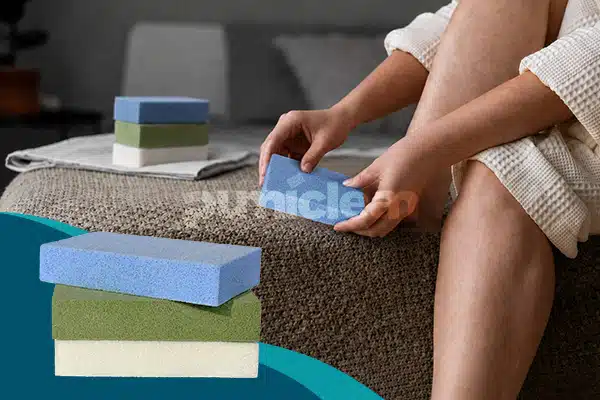
The right method matters more than aggressive scrubbing. The questions below explain how to use a foot-care pumice stone, when to avoid it, and what buyers should check before choosing a product.
How Do You Use a Pumice Stone to Clean Your Feet?
The safest routine combines washing, soaking, gentle exfoliation, rinsing, and moisturizing.
Wash your feet first, soften rough skin in warm water, wet the pumice stone, and make short, gentle passes over rough areas. Rinse the feet and stone, then moisturize.

Start with ordinary foot cleaning: wash with soap and water, then dry carefully, especially between the toes. A pumice stone is for the next step—lightly reducing rough or hardened skin—not for replacing basic hygiene or scraping away ordinary dirt.
The American Academy of Dermatology’s guidance on corns and calluses recommends soaking the area in warm water for about five to ten minutes, dipping the pumice stone in warm water, and gently filing with circular or sideways motions. Use that as a practical starting method:
- Soak the feet until the rough skin feels softer, without using water hot enough to irritate the skin.
- Wet the foot-care pumice stone completely.
- Glide it over the heel, sole, or other rough patch with light pressure. Do not grind repeatedly over one spot.
- Rinse the feet and check the skin. Stop if you feel pain, burning, or increasing redness.
- Rinse the stone, remove trapped residue, allow it to dry fully, and apply a suitable moisturizer to the feet.
Use a separate stone for personal foot care. A pumice product used on a toilet, grill, pool tile, or other cleaning surface must never be transferred to skin, even if it looks clean. For salons and retailers, this separation should also be clear in the product name, packaging, and usage instructions.
Should You Use a Pumice Stone on Wet or Dry Feet?
Wet use is the safer starting point for foot care because water softens hardened skin and reduces the need for force.
Use a pumice stone on wet feet and keep the stone wet during use. Dry rubbing can increase friction and make it easier to remove too much skin or irritate a rough area.
Water serves two purposes. First, it makes thickened skin more pliable, so the abrasive surface can work gradually. Second, it helps the user control the process: a wet pass is easier to keep light than a dry, forceful scrape. Re-wet both the foot and stone if either begins to dry.
Avoid treating “wet” as permission to scrub harder. A softened callus can come away quickly, and healthy skin underneath still needs protection. Work in a small area, use only a few passes, and rinse so you can see what has changed. The goal is a smoother surface, not a perfectly polished foot in one session.
Dry-foot instructions sometimes appear for other filing tools, but a foot-care pumice stone should be selected and labeled for its intended wet-use method. If a supplier provides different directions, the product-specific instructions should be reviewed before publication. PumiClean’s own pumice stone pedicure guide also places soaking and wet use at the center of its recommended routine.
Is a Pumice Stone Good for Your Feet?
A pumice stone can be useful for localized rough skin and mild callus maintenance, but it is not a treatment for every foot problem.
It is a practical exfoliating tool for softened, intact skin on areas such as the heel or sole. It should not be used over open cracks, bleeding skin, blisters, active infection, unexplained pain, or a suspected wart.
Calluses and corns commonly develop as the skin responds to repeated friction or pressure. A pumice stone can help reduce the outer layer of hardened skin, but it does not remove the cause. Shoes that rub, narrow toe boxes, repetitive activity, or uneven pressure may continue to create the same problem. If roughness returns quickly, changing the source of friction may be more useful than increasing abrasion.
The American Academy of Dermatology warns that removing too much skin can lead to bleeding and infection. Do not use a pumice stone as a self-treatment for athlete’s foot, a wart, a painful corn, or a wound. A clinician or foot-care professional can help identify the problem when the cause is uncertain.
People with diabetes, reduced circulation, loss of sensation, a weakened immune system, or a history of foot ulcers should obtain professional advice before attempting callus removal. The Mayo Clinic’s diabetic foot-care guidance emphasizes that foot injuries can become serious when sensation or blood flow is impaired. For product sellers, this limitation belongs in consumer-facing instructions rather than being hidden behind a general “safe for everyone” claim.
How Often Should You Use a Pumice Stone on Your Feet?
There is no universal schedule: use a pumice stone only when rough skin needs light maintenance, not as a daily replacement for washing.
Start with occasional use and let the skin guide you. If the feet become tender, red, unusually sensitive, or more cracked after use, stop exfoliating and reassess the method or seek professional advice.
Daily foot hygiene and pumice-stone use are different tasks. Feet can be washed every day, while mechanical exfoliation is better treated as an occasional step. The correct interval depends on how quickly rough skin forms, the area being treated, the pressure applied, footwear, activity, and the texture of the product.
Use less often when the skin already feels smooth. Do not keep rubbing simply because a small amount of dry skin remains visible; some thickened skin protects areas exposed to pressure. A good routine removes only what is loose and rough, then follows with moisturizer and better friction control.
Frequency is also a useful product-testing question for buyers. A stone that feels too aggressive may encourage overuse, while one that wears down quickly may produce inconsistent results. Retailers and salons should test the actual sample, record the intended usage guidance, and avoid publishing a fixed “daily” claim unless it has been specifically reviewed for the named product. If a customer needs repeated heavy removal to stay comfortable, the product may not be the real solution; footwear, pressure points, skin conditions, or professional treatment may need attention.
How Do You Choose a Pumice Stone for Foot Care?
Choose a product made specifically for foot care, with a controlled texture, manageable shape, and instructions that match the intended user and sales channel.
For home, retail, spa, or private-label use, compare the product’s skin-contact purpose, surface consistency, size, packaging, and usage guidance—not the word “pumice” alone.

For a practical product review, check five areas:
- Intended use: Confirm that the stone is a foot-care product, not a grill brick, toilet cleaner, pool-cleaning block, or household scouring tool. Separate product families reduce the risk of unsafe cross-use.
- Surface consistency: Ask for samples and compare the texture across several units. The surface should support gradual exfoliation without forcing the user to apply heavy pressure. Avoid making “gentle,” “safe,” or “non-irritating” promises without product-specific support.
- Size and handling: Match the form to the channel. A compact stone may suit a retail foot-care kit, while a salon or spa may prioritize a shape that is easy to grip and rinse between uses. Confirm the actual dimensions and any handle or hanging feature before listing them.
- Packaging and instructions: Retail packaging should identify the use, wet-use method, cleaning and drying steps, warnings, and when to stop. Bulk or private-label buyers should review artwork and claims before production.
- Supplier process: Request the current specification, sample approval process, packaging options, and any documents required for the destination market. Keep MOQ, lead time, compliance, and material statements out of public copy until the supplier confirms them for the exact model.
PumiClean’s current website lists a dedicated foot-care pumice-stone range and describes custom size, shape, and packaging options. Buyers should still confirm the current model, finish, packaging format, and commercial terms for the specific order. For professional pedicure questions, the related foot file and pumice stone comparison covers a different decision: choosing between tools for salon callus-removal work.
Conclusion
A foot-care pumice stone supports gentle exfoliation after washing; choose a dedicated product, use it wet, and stop before irritation begins.
For a useful product discussion, share your intended market and preferred foot-care format so PumiClean can confirm current options.


