
A foot cleaner stone is a foot-care pumice stone for gently smoothing rough skin and mild callus buildup on the soles and heels.
Use it as a maintenance tool: wet the stone and softened skin, apply light pressure, rinse often, moisturize afterward, and stop before the skin feels sore.
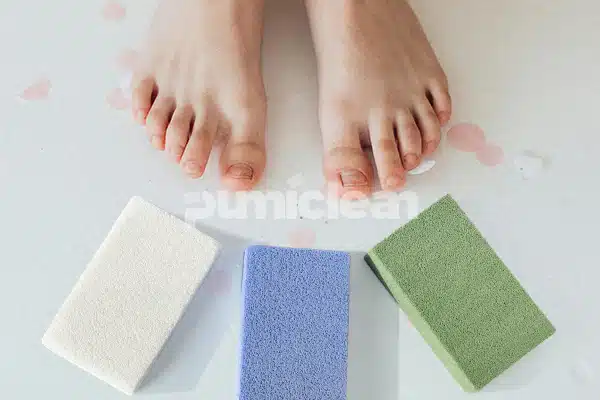
The phrase “foot cleaner stone” can be confusing because pumice products are also sold for grills, toilets, pools, and household surfaces. This guide focuses only on the foot-care form: how it works, how to use it, and what buyers should confirm before selecting a product.
What Is a Foot Cleaner Stone Used For?
A foot cleaner stone is designed for the thicker skin found on the heels, soles, and other pressure points.
It helps buff away loose, dead surface skin and gradually smooth mild roughness or callus buildup; it is not a treatment for an underlying foot condition.
The tool works through controlled abrasion. Its textured surface lifts some of the outer, hardened skin when it is moved lightly across a prepared area. This makes it useful for routine foot care after bathing, during a pedicure, or as part of a personal-care product range. It is not intended to cut into the skin, remove a deep corn, or make a painful crack disappear in one session.
The product category also needs clear separation from other pumice applications. A foot-care stone should be identified and packaged for skin contact. A grill brick, toilet-cleaning stone, pool-cleaning block, or household scouring stone belongs to a different product family and should not be substituted for a foot-care item. For retailers, salons, and distributors, this distinction should appear in the product name, label, packaging, and usage instructions.
PumiClean’s current product listing shows an FC250 Foot Care Pumice Stone family in several colors and listed formats, including variants around 4 inches long with different widths and thicknesses. Those listed dimensions illustrate why size and hand feel matter when comparing products, but they should not be treated as a universal standard. Buyers should confirm the current model, dimensions, surface texture, and packaging for the exact shipment.
Can a Foot Cleaner Stone Remove Calluses?
A pumice stone can reduce the surface bulk of a callus when the thickened skin is mild, intact, and caused by ordinary pressure or friction.
Yes, a foot cleaner stone can help smooth surface callus, but it works gradually and cannot correct the pressure, footwear, or medical cause behind every callus.
Calluses form as the skin responds to repeated friction or pressure. A stone may make the area feel smoother, but the buildup can return if tight footwear, a repeated rubbing point, or an uneven walking pattern remains. A sensible routine therefore combines gentle filing with comfortable, well-fitting footwear and regular moisturizing. The goal is to reduce excess surface buildup without removing the protective skin too aggressively.
Do not use a foot cleaner stone on open cuts, bleeding or deep cracks, blisters, inflamed skin, or a suspected infection. Do not try to grind away a painful corn, wart, or unusual growth. Stop if the skin becomes red, stings, or feels tender. If a hard area is painful, keeps returning, or does not improve with gentle care, a podiatrist or other qualified healthcare professional can help identify the cause.
People with diabetes, poor circulation, reduced sensation, or conditions that affect healing should ask a healthcare professional before self-treating foot calluses. A small abrasion may be harder to notice or heal in these situations. This limitation is important for product pages and retail instructions because “callus remover” should not be presented as a universal promise.
For a B2B buyer, the practical evaluation question is not simply “Does it remove calluses?” Ask instead: Is the product intended for routine foot care, does the surface feel consistent across samples, is the form comfortable to hold, and do the instructions describe suitable users and limits clearly? These details create a more reliable customer expectation than an aggressive removal claim.
How Do You Use a Pumice Stone on Your Feet?
The safest routine is brief, gentle, and focused only on intact areas of thickened skin.
Wash and soften the feet, wet the pumice stone, rub rough areas lightly for a short time, rinse, dry, and moisturize; never use force to chase perfectly smooth skin.

Use the following sequence for general at-home foot care:
- Wash the feet and soak them in warm water for about five to ten minutes, or use the stone after a bath or shower when the skin is softened.
- Wet the foot cleaner stone thoroughly. A wet stone and softened skin generally reduce friction during exfoliation.
- Rub the heel, sole, or other rough area with small circular motions and light pressure. Spend only a short time on one spot and check the skin as you work.
- Rinse the foot and stop when the surface feels smoother. Do not keep rubbing simply because a small amount of roughness remains.
- Pat the feet dry and apply a suitable moisturizer. Avoid leaving heavy cream between the toes, where excess moisture can create a separate hygiene problem.
- Rinse and clean the stone, then let it dry fully before storage.
Use the product label as the final instruction for the particular form. If the stone dries during use, re-wet it rather than continuing with a dry, high-friction surface. A retailer or salon should give customers the same short sequence on the package or product page. Clear instructions help prevent over-scrubbing, misuse on broken skin, and confusion with stones intended for household cleaning.
Should You Use a Pumice Stone Wet or Dry?
The wet-versus-dry question matters because the same abrasive surface can feel very different depending on skin condition and pressure.
For most at-home foot exfoliation, use both the foot and the stone wet, with the skin softened first; follow the product label or professional foot-care instructions if they specify another method.
Wetting the feet softens hardened surface skin, while wetting the stone helps it glide rather than catch sharply on one area. This makes it easier to use light pressure and to stop before the skin becomes irritated. It also allows the user to rinse away loosened skin and inspect the area during the process.
Some clinical foot-care instructions describe filing hard skin when it is dry, so a single rule should not replace the directions for a named product or the advice of a podiatry professional. The important principle is controlled abrasion: use the least pressure that achieves a modest smoothing effect, and discontinue the session if there is stinging, redness, bleeding, or pain.
For professional pedicure or salon purchasing, wet use also raises a hygiene question. Decide whether the product is a personal reusable tool, a single-client item, or part of a documented cleaning and disinfection process. Do not assume that a porous stone can be treated like a non-porous metal file. Confirm the intended hygiene model, local salon requirements, packaging language, and replacement policy before placing a bulk order.
How Often Should You Use a Pumice Stone on Your Feet?
Frequency should follow the condition of the skin, not a promise of faster results.
Once or twice a week is a practical starting point for many people, but sensitive or already irritated skin needs less frequent use; reduce or stop use whenever soreness or redness appears.

A foot cleaner stone is better understood as a maintenance tool than as a one-time correction. Begin with one short session and observe the skin over the next day. If the area remains comfortable, a later session may be appropriate. If it feels tender, tight, pink, or unusually sensitive, allow it to recover and use the stone less often. More pressure or more frequent use can remove healthy surface skin and make roughness harder to manage.
Daily moisturizing and pressure reduction can be more useful than repeated filing. Comfortable shoes, socks that do not rub, and attention to recurring pressure points help address why a callus develops. If the skin is deeply cracked, painful, bleeding, or showing signs of infection, stop exfoliation and seek professional advice rather than increasing frequency.
When comparing products for retail or professional use, avoid making a universal “use daily” claim unless it is specifically supported by the product instructions and intended customer. A better package message explains the product purpose, suitable skin condition, wet-or-dry method, warning signs, cleaning steps, and when to replace the stone. For PumiClean FC250 buyers, confirm the exact variant and current dimensions before approving artwork or building a product assortment; listed color and size options are model-specific, not a substitute for sample approval.
How Do You Clean a Pumice Stone?
Cleaning and drying are part of safe ownership because the stone contacts skin, water, and loosened skin debris.
Rinse the stone after every use, remove trapped debris with a clean brush and mild soap, let it air-dry completely, and never share a personal foot-care stone.
After use, rinse the stone under running water and gently brush away material caught in the texture. Wash it with mild soap if needed, then place it in an open, dry location with air circulation. Avoid sealing a damp stone in a pouch or leaving it submerged in standing water. Replace the stone if it develops a persistent odor, becomes difficult to clean, crumbles heavily, cracks, or loses the surface texture needed for controlled use.
Each person should have a separate personal stone. Salons and spas should follow their local hygiene rules and the supplier’s approved instructions for reusable or single-client products. If a buyer needs a disposable or individually packed option, that requirement should be agreed before quotation rather than assumed from the word “pumice.”
For wholesale, private-label, and distribution programs, a useful pre-order checklist includes the exact product family and form, sample consistency, dimensions, surface feel, color, retail or bulk packaging, label language, intended customer, usage warnings, and available compliance documents. Requesting a sample and packaging proof is more reliable than choosing from a product name alone. Keep material, grit, durability, MOQ, lead time, and document claims out of public copy until the supplier confirms them for the exact model and destination market.
Conclusion
A foot cleaner stone is most useful for gentle, regular maintenance; confirm the product form, instructions, hygiene model, and intended market before choosing a personal-care or wholesale option.
If you are sourcing for wholesale or private label, share your target market and preferred product form to start a focused product discussion.


