
A grill cleaning brick is an essential tool for commercial kitchen and restaurant grill maintenance, designed to remove tough grease and carbon buildup without damaging cooking surfaces.
A grill cleaning brick is a dense, abrasive block used to scrub commercial grills and griddles, efficiently removing carbonized food and grease while being safer for metal surfaces than harsh wire brushes or chemicals.
What is a grill cleaning brick?
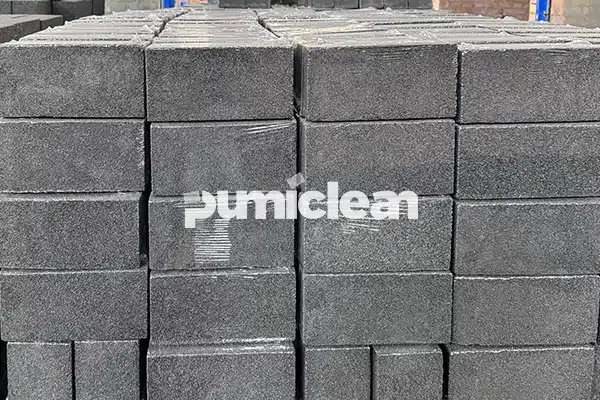
A grill cleaning brick is a solid block, typically made from heat-resistant, non-toxic materials such as compressed glass or pumice. It is designed to clean flat-top grills, griddles, and other cooking surfaces in commercial kitchens by physically abrading and lifting off carbonized food residues and grease. Unlike metal scrapers or brushes, a grill cleaning brick conforms to the grill’s surface as it wears down, making it effective for both flat and slightly grooved surfaces.
Grill cleaning bricks are widely used in restaurants, hotels, and foodservice operations, where efficient and safe cleaning is essential for food safety and equipment longevity. The product is odorless, non-porous, and generally leaves no residue, making it suitable for daily or deep-cleaning routines.

Are grill cleaning bricks safe?
Grill cleaning bricks are considered safe for commercial kitchen use when handled according to supplier instructions. They do not contain harsh chemicals and are less likely to shed metal fragments compared to wire brushes, reducing the risk of contaminating food. Their abrasive action is strong enough to remove carbon and grease but gentle enough to avoid damaging steel or cast iron grill surfaces.
However, users should wear gloves to avoid minor abrasion to hands, and always check for any loose particles before cooking resumes. B2B buyers should request safety data sheets and test samples to verify material safety and compatibility with their specific grills.
How many times can you use a grill brick?
The number of uses for a grill cleaning brick depends on the size of the brick, the frequency and intensity of cleaning, and the amount of residue on the grill. Typically, a single brick can last for several cleaning sessions in a commercial kitchen, gradually wearing down with each use.
Unlike disposable pads or brushes, grill cleaning bricks are designed for repeated use until they become too small to handle effectively. For high-volume operations, it is common to use one brick per week per grill, but actual longevity should be verified through testing. Buyers should consider sample checks and supplier guidance for estimating consumption rates.
Should you use oil with a grill brick?
Oil is generally not required when using a grill cleaning brick. The block is intended to be used on a hot or warm grill surface, where its abrasive action loosens and lifts carbonized grease and food debris. Using oil may reduce the effectiveness of the cleaning process and can cause unnecessary smoke or residue.
For best results, scrape off loose food particles first, then use the grill cleaning brick in a circular or back-and-forth motion on the heated grill. After cleaning, wipe the surface with a damp cloth or grill pad to remove any remaining particles before cooking.

What should B2B buyers know about grill cleaning brick #5?
For B2B buyers—including commercial kitchen operators, restaurant chains, cleaning-supply distributors, and OEM/private label clients—selecting the right grill cleaning brick involves several important considerations:
| Factor | Buyer Guidance |
|---|---|
| Material | Confirm non-toxic, heat-resistant composition (e.g., pumice or glass-based). |
| Size & Shape | Common sizes: 150x70x70mm, 200x100x80mm; select based on grill size and staff preference. |
| Packaging | Options include individual shrink-wrapped, bulk cartons, or branded OEM/private label packaging. |
| MOQ/Samples | Check supplier’s minimum order quantity; request samples to test performance and consistency. |
| OEM/Private Label | Many manufacturers offer custom branding, color, and packaging for distributors. |
| Consistency & QC | Ensure supplier provides batch consistency and quality control documentation. |
| Compliance | Request safety and compliance documents relevant to your market (e.g., MSDS, food-contact). |
| Lead Time | Typical production lead times range from 7-30 days; confirm shipping and delivery schedules. |
| Landed Cost | Factor in shipping, duties, and packaging when comparing supplier quotes. |
For large-scale buyers, it is also important to consider supply chain reliability and after-sales support. Leading manufacturers like HUAYUE Group can provide flexible packaging, bulk shipment options, and OEM/private label solutions to match distributor or end-user requirements.
FAQ
Q1: Can grill cleaning bricks be used on chrome or nonstick surfaces?
A: No, grill cleaning bricks are best suited for steel or cast iron surfaces. They may scratch or damage chrome or nonstick coatings.
Q2: How do I dispose of used grill cleaning bricks?
A: Discard used bricks as non-hazardous solid waste. Check with local regulations for commercial kitchen waste disposal.
Q3: Are grill cleaning bricks compatible with HACCP cleaning protocols?
A: Most are compatible, but always review supplier documentation to ensure compliance with your HACCP plan.
Q4: Can grill cleaning bricks be sterilized or sanitized?
A: They are non-porous and do not harbor bacteria, but can be rinsed with hot water if needed.
Q5: What is the typical shelf life of a grill cleaning brick?
A: Grill cleaning bricks do not expire if stored in a dry, clean environment.
Q6: Do grill cleaning bricks leave any residue?
A: Proper use leaves minimal residue; always wipe the grill surface after cleaning.
Conclusion
A grill cleaning brick is a practical, safe, and effective solution for commercial kitchen grill maintenance. B2B buyers should assess material, packaging, and supplier support to ensure consistent quality and supply.


